
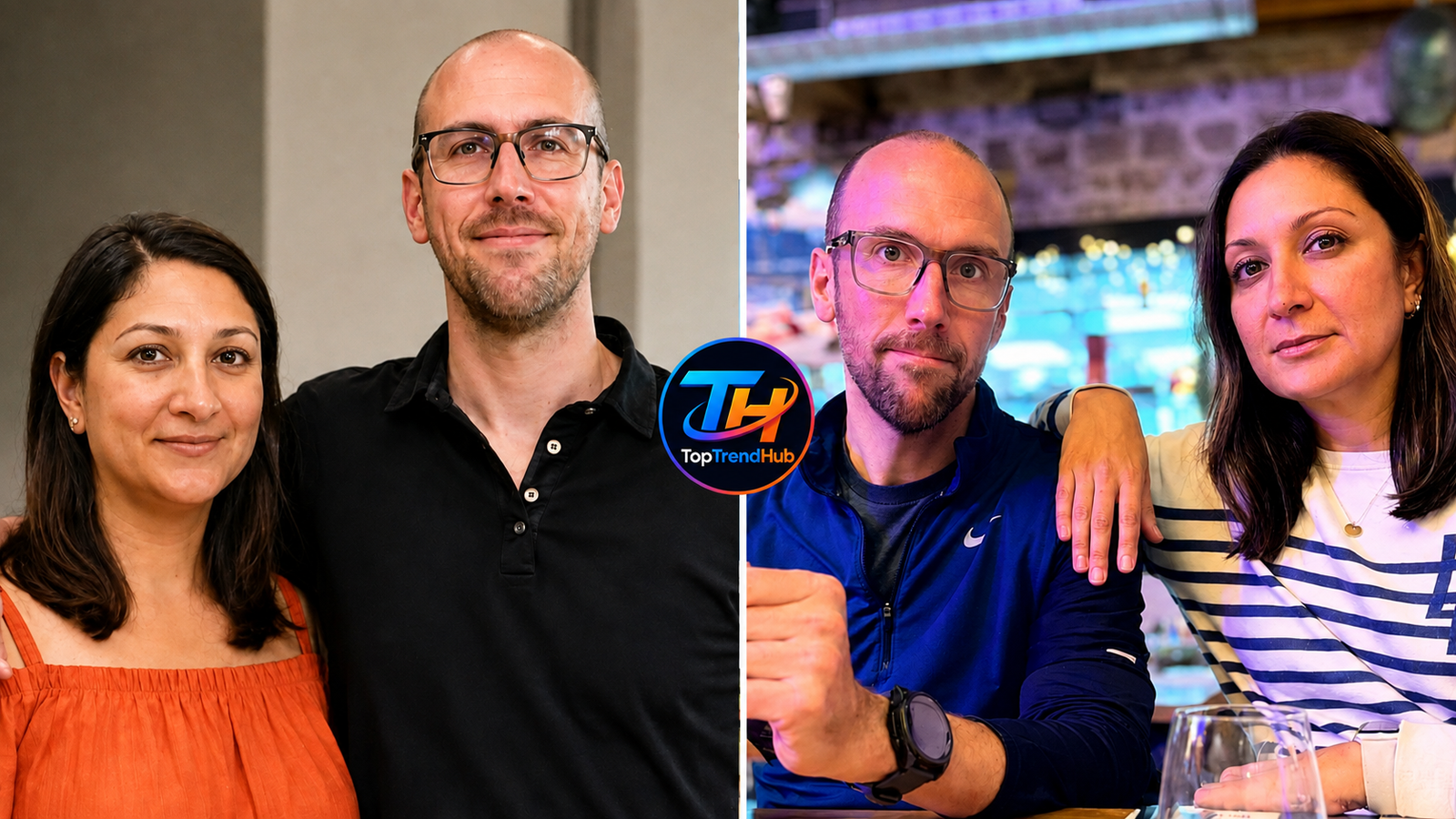
Paul Werdel is an American journalist and digital media professional whose career has covered television news, international journalism, political reporting, and digital product development. While many people know him because of his marriage to PBS NewsHour journalist Amna Nawaz, Werdel has built an impressive career of his own. His professional journey includes work with BBC World News, Al Jazeera English, Talking Points Memo, and The New York Times. His career is particularly notable because it followed the transformation of journalism from traditional television and print toward mobile and digital platforms.
Werdel has generally maintained a private life, so there is less verified information available about his personal background than about his professional career. However, published professional records and direct comments from Amna Nawaz provide a useful picture of his work and family life. His story is also interesting because he eventually stepped away from a senior position at The New York Times to become the primary caregiver for his two daughters when Nawaz accepted an important position at PBS NewsHour in 2018.
Who Is Paul Werdel?
Paul Werdel is a journalist, editor, and digital media professional with experience across several major news organizations. His career has not been limited to traditional reporting. Instead, he has worked in newsroom production, editorial management, television journalism, and digital product development. This combination makes his professional background different from that of a conventional newspaper reporter or television presenter.
Werdel is also widely recognized as the husband of Amna Nawaz, a prominent American journalist and PBS NewsHour anchor. Nawaz has spoken publicly about his professional accomplishments and their family arrangement. In an interview with WFAE, she described him as an accomplished journalist who had worked for years before taking a step back from his career so she could pursue her role at NewsHour.
Paul Werdel’s Early Journalism Career
Werdel developed his journalism career through television and newsroom work before moving into major international news organizations. His early experience gave him a practical understanding of how news is gathered, edited, produced, and delivered to audiences. That foundation later became valuable as journalism increasingly moved from scheduled television broadcasts to websites, mobile applications, and digital platforms.
One of the clearest examples of his early professional approach can be seen in his work at Talking Points Memo. In 2012, Werdel was described as an associate editor helping run TPM’s New York bureau. His responsibilities included monitoring television news, identifying important developments, working with video, and helping editors quickly turn breaking information into published material.
His Work at BBC World News
A major stage in Paul Werdel’s career was his work with BBC World News. Available professional biographies identify him as a producer and director for the organization during the 2000s. Working in international television news gave him experience with fast-moving stories, editorial decisions, scripts, interviews, video packages, and live broadcast production.
The BBC experience was important because international news requires careful editorial judgment. Producers must balance speed with accuracy while coordinating information from different locations and sources. Werdel’s later career demonstrates that this background remained important even after he moved away from traditional television and into digital journalism and product development.
Paul Werdel at Al Jazeera English
After his time at BBC World News, Werdel moved into another international news environment through Al Jazeera English. Professional records describe him as working in editorial positions, including Deputy News Editor and News Editor. This period expanded his experience in international journalism and newsroom management.
His work at Al Jazeera also placed him within a news organization that was building its international presence and reaching audiences across different markets. Experience in such an environment can require an understanding of different perspectives, fast-breaking international events, and the demands of a global audience. These skills fit naturally with Werdel’s later transition toward digital media.
His Career at Talking Points Memo
Werdel later joined Talking Points Memo, commonly known as TPM, where he worked as an editor covering political news. TPM’s archive contains numerous articles written by Werdel in 2012, demonstrating that he was directly involved in the organization’s daily editorial output. His published work covered subjects ranging from American politics and international affairs to major breaking news events.
His work at TPM also shows how closely journalism and technology were becoming connected. In an interview about the organization’s use of SnapStream, Werdel explained how editors monitored multiple television channels, searched transcripts, checked quotations, and quickly extracted video for news coverage. He emphasized the importance of accuracy while also recognizing the need to move quickly in a competitive digital news environment.
Paul Werdel at The New York Times
The New York Times became one of the most important chapters of Werdel’s career. He joined the organization in 2012 and moved through roles associated with digital platforms and mobile products. A contemporary report from 2012 described his move from TPM to The New York Times’ mobile apps team, showing the direction his career was taking at that time.
At The New York Times, Werdel’s work moved beyond conventional editing into digital product leadership. His experience allowed him to connect editorial priorities with the technology and design needed to deliver journalism through mobile and digital platforms. By the time Amna Nawaz accepted her position at PBS NewsHour in 2018, Nawaz said Werdel was running a team at The New York Times, demonstrating the level of responsibility he had reached.
Paul Werdel and Digital Journalism
One of the most interesting aspects of Werdel’s career is his role in the transition toward digital journalism. Modern news organizations need professionals who understand more than writing and editing. They also need people who understand mobile products, digital publishing, audience experiences, technology, and the ways readers consume information.
Werdel’s career reflects that transformation particularly well. He began with television journalism and later worked in digital political news before moving into product leadership at The New York Times. His experience at TPM also demonstrates how technology such as automated recording and transcription could help journalists monitor news, verify quotations, and produce video quickly.
Paul Werdel and Amna Nawaz
Paul Werdel and Amna Nawaz met through journalism, making their relationship closely connected to their professional lives. Nawaz has described him as an accomplished journalist and has publicly discussed the support he provided during an important stage of her career. Their marriage has attracted public interest partly because both partners have built careers in demanding news organizations.
The couple have two daughters. When Nawaz accepted a position at PBS NewsHour in 2018, the family faced a major career and relocation decision. According to Nawaz’s own account, Werdel proposed stepping back from work and becoming a full-time caregiver for their children so she could fully commit to the new opportunity. She described that decision as one of the greatest gifts he had given her.
Why Paul Werdel Left The New York Times
Werdel’s decision to step away from his career is one of the most notable parts of his biography. Rather than leaving journalism because of a lack of professional opportunities, he made a family-centered decision at a time when his own career was already well established. Nawaz was beginning an important chapter at PBS NewsHour, while Werdel had reached a senior position at The New York Times.
The decision also illustrates how professional couples sometimes divide responsibilities according to changing circumstances. Werdel had already gained extensive experience at several major media organizations, while Nawaz was moving into a role that would significantly increase her public profile. Their arrangement allowed Nawaz to focus on her new responsibilities while Werdel took primary responsibility for their children.
Paul Werdel’s Family Life and Privacy
Despite being married to a highly visible journalist, Werdel has generally kept his personal life away from extensive public attention. This privacy means that some frequently repeated online claims about his birth date, age, net worth, and other personal details are difficult to verify through reliable primary sources. For that reason, such figures should not be treated as established facts.
What is much better documented is his family role and professional background. Nawaz’s own comments provide direct evidence about his career and the decision he made to become a full-time caregiver. This first-hand account is more reliable than anonymous biography websites that publish precise personal figures without showing where the information came from.
Paul Werdel’s Legacy in Journalism
Paul Werdel’s career is significant because it represents several generations of modern journalism in one professional journey. He worked in international television, political digital media, editorial operations, and digital product management. His work at TPM demonstrates the importance of speed and accuracy in online news, while his later work at The New York Times reflects the growing importance of mobile and digital products.
His personal story is equally notable because his definition of professional success changed when his family circumstances changed. After years of journalism and leadership, he chose to support his wife’s career and take a central role in raising their daughters. For people searching for Paul Werdel’s biography, career, family, or connection to Amna Nawaz, the most reliable picture is therefore of a highly experienced media professional who has largely remained behind the scenes while making important contributions to journalism and family life.
Conclusion
Paul Werdel’s story goes far beyond his identity as Amna Nawaz’s husband. His career includes significant experience at BBC World News, Al Jazeera English, Talking Points Memo, and The New York Times, giving him a broad understanding of television, political journalism, digital publishing, and mobile news products. His published work at TPM and his responsibilities at The New York Times demonstrate that he was an active and experienced newsroom professional rather than simply a figure connected to another journalist.
His decision to step away from The New York Times in 2018 adds another important dimension to his biography. By becoming the primary caregiver for his daughters while Nawaz pursued her opportunity at PBS NewsHour, Werdel made a deliberate family decision after building an accomplished career. His professional journey and personal choices together make Paul Werdel an interesting example of how journalism careers, digital media, family responsibilities, and changing definitions of success can intersect.